
Heart Failure
Understanding your condition gives you confidence and helps you make informed decisions about your health.
On this page
Types of Heart Failure
Causes of Heart Failure
Symptoms of Heart Failure
Special Populations and Heart Failure
Advanced Heart Failure
Heart Failure in Young People
Heart Failure in Women
Heart Failure and Cancer Treatment

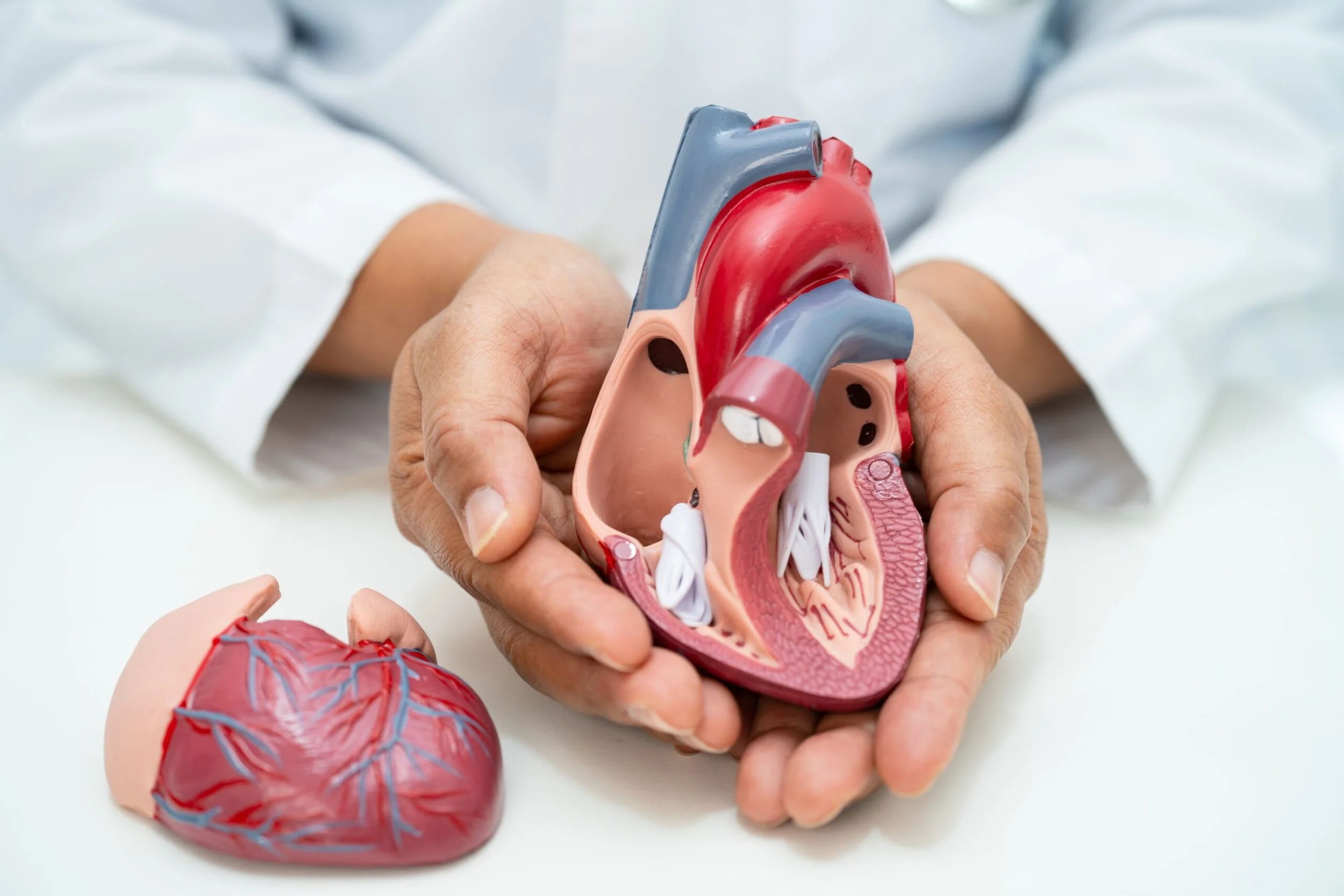
The Heart and How it Works
Your heart is a muscle that pumps blood, which provides oxygen to all parts of your body.
Click here for a more detailed explanation of how your heart works.
What is Heart Failure?
Heart failure describes a condition in which the heart cannot pump enough blood to meet the needs of the body. It is a chronic condition, meaning that most people live with it for the rest of their lives.
Learn more by watching Heart Failure: What Is It? by MyHealth Alberta .
For more information, visit Understanding Heart Failure or check out our guides.
Causes of Heart Failure
Heart failure can happen for different reasons. It is important to identify the cause to help guide diagnosis and treatment. Heart failure can happen because of problems in the heart itself or issues in other parts of the body.
To find out more about the different causes of heart failure, click here.
Types of Heart Failure
Heart failure can look very different from person to person. This depends on which part of the heart is affected, what symptoms you have, and how quickly it develops. The type of treatment you receive depends on the type of heart failure you are diagnosed with.
Heart failure is commonly described using the term left ventricular ejection fraction (or EF). This measures how much blood is “ejected,” or pumped out, with each heartbeat.
Visit What are the different types of heart failure for more information on types of heart failure, or view the Know Your Type: What your EF number means handout.
Symptoms of Heart Failure
Heart failure symptoms aren’t the same for everyone, and they can vary depending on the type of heart failure that you have. You might notice several symptoms or just a few.
In the early stages, you may not feel anything unusual, but as heart failure progresses, symptoms often appear and can become more noticeable. Most symptoms happen because of fluid buildup and reduced blood flow.
Visit Symptoms of Heart Failure for more information.
Symptoms may include:
Increased shortness of breath, especially when lying flat or with exertion
Sudden gain of more than 1.5 kg (3 pounds) over 1 to 2 days, or 2.5 kg (5 pounds) in a single week
Bloating or feeling full all the time
Cough or cold symptoms that last for longer than a week
Tiredness, loss of energy or extreme tiredness
Loss of or change in appetite
Increased swelling of the ankles, feet, legs, sacrum (base of the spine) or abdomen (stomach area)
Increased urination at night
Cool extremities
New experience of cognitive impairment (confusion and trouble thinking clearly)
Heart Failure Diagnosis and Testing
Early detection of heart failure allows you and your care team to make lifestyle changes and start therapies that improve your quality of life and reduce the risk of serious complications. Your doctor will review your medical history, perform an examination, and order tests to confirm the condition and determine the best treatment plan.
Several tests and procedures may be used, such as:
Blood tests including BNP test (brain natriuretic peptide) and NT-proBNP
Magnetic resonance imaging (heart MRI)
For more information on how heart failure is diagnosed, read this handout.
Special Populations and Heart Failure
Heart Failure in Young People
Heart failure can affect people of all ages. If you are younger, you may have other questions or concerns. To learn more about managing heart failure in young people, click here.
Heart Failure and Cancer Treatment
Treatments for cancer can have short-term or long-term effects on the heart. Because of this, some survivors may experience heart problems after treatment.
To learn more about how cancer treatment can affect the heart, click here.
Advanced Heart Failure
If you develop advanced heart failure, view this booklet for strategies you can use to manage worsening symptoms.
Heart Failure in Women
There are some specific considerations for women with heart failure throughout the lifespan.
Learn more about the considerations of pregnancy, contraception, menstruation and menopause.
My Healthcare Team
After a diagnosis of heart failure, you will receive care and education related to your condition from a variety of healthcare team members, which may include your cardiologist, nurse practitioner, Heart Function Clinic, family doctor, and/or Cardiac Rehabilitation team.
If you’ve been referred to a Heart Function Clinic, their team will provide guidance related to how best to treat and manage your heart failure, as well as follow up treatment and care. Services may include assessment, medication management, education, and ongoing support through follow-up visits.
For more information on the role of those who may be involved in your care, click here.
Looking for a family doctor in Alberta? Click here for ways to find a physician.

Frequently Asked Questions
About Heart Failure
View some commonly asked questions related to heart failure and its management.