
Steps I Can Take
Discover practical steps to manage your condition and stay well.
On this page
Steps I Can Take
Symptom Tracking
Daily Weights
Checking Your Blood Pressure
Make Every Dose Count
A Note About Fluid Restriction
Alcohol
Lifestyle and Long-Term Actions
Lower Your Salt Intake
Exercise
Quit Smoking
Immunizations
Sick Day Rules for Medications
Communication and Care Coordination
Prepare For Your Appointments
Your Care Choices: Present and Future

Daily Self-Management
Steps I Can Take – Checklist
Step 1: Print or view your Symptom Tracker
Step 2: Print or view your Heart Failure Action Plan or Self-Check Plan
Step 3: Watch these 3 video tutorials
Step 4: Track and Act to feel your best

Daily Weights
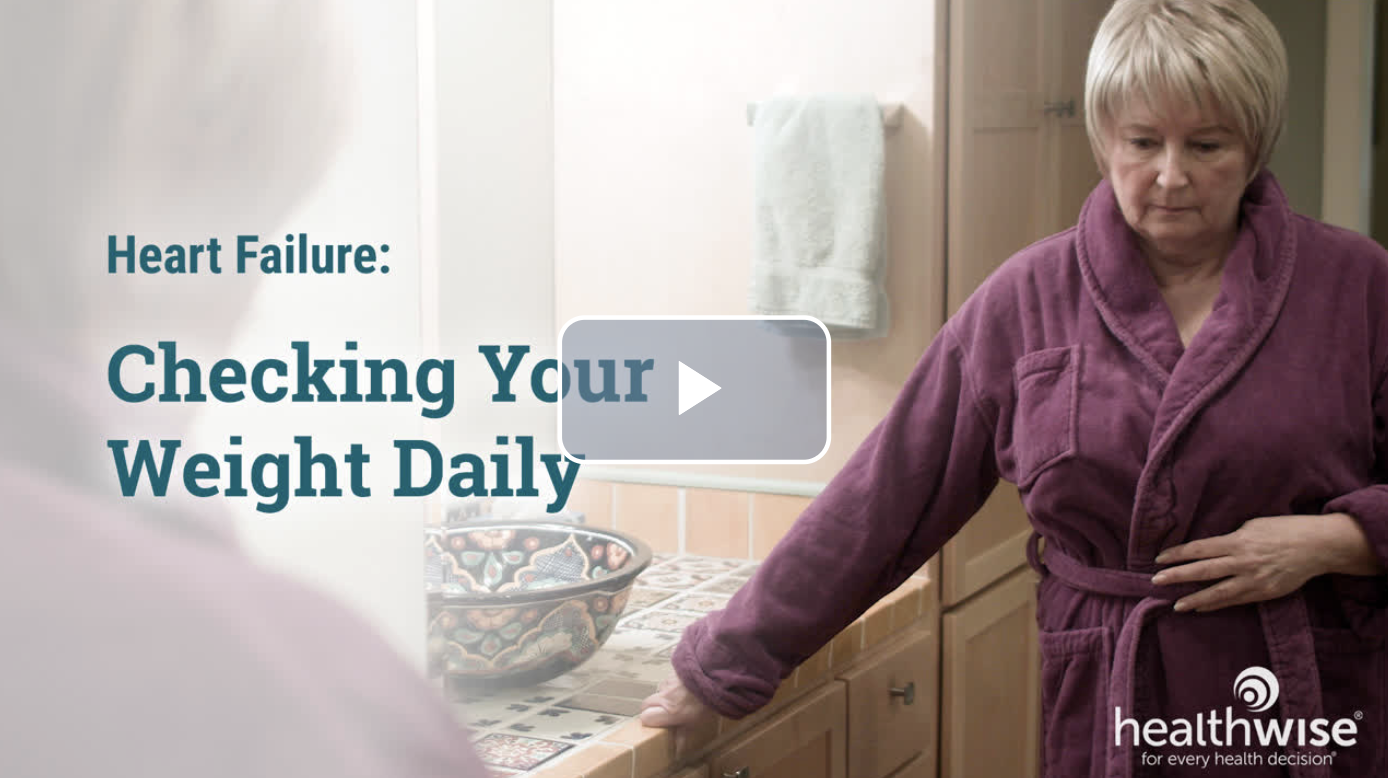
Monitoring your weight every day is one of the most effective ways to stay healthy and catch potential issues early. Acting quickly when you notice a sudden change makes it much easier to prevent other symptoms from developing. For a printable daily weight tracker, click here.
Watch this video from MyHealth Alberta: Heart Failure: Checking Your Weight Daily
Symptom Tracking and “Heart Failure Action Plan”
One of the most effective ways to keep well is to monitor for symptoms of heart failure.
Watch these videos by MyHealth Alberta to learn more:
Print or review the “Heart Failure Action Plan”, click here. This provides a guide to assess symptoms and know when to get medical help.
Symptoms can be tracked and recorded using this symptom and event diary.
For a list of warning signs that may indicate your heart failure is getting worse, click here. For a printable version, click here.
Make Every Dose Count
One of the most important things you can do to manage your heart failure and keep it from getting worse is to take your medications every day. Learning what each medicine does and making it part of your routine can make a big difference.
Checking Your Blood Pressure
You may be advised to take regular blood pressure and heart rate (pulse) readings at home, or you may decide to do this for your own interest.
Either way, it is important that you learn how to take an accurate reading. People with heart failure often have lower blood pressure readings, which is not usually a concern. As long as you are feeling well, the number is not something you need to worry about. If you are concerned, talk to your healthcare provider.

Alcohol
Research shows that even small amounts of alcohol can negatively impact your health. The more you drink each week, the greater the risks and long-term effects. In some cases, alcohol is the cause of heart failure. In these cases and others, abstinence is recommended. Speak to your healthcare team for further recommendations.
A Note About Fluid Restriction
In some cases, you may be told by your cardiology team to restrict your fluid intake for a period of time. Most people with heart failure, however, are encouraged to drink to thirst.
If you have been advised to limit your fluids, click here to learn more.

Lifestyle and Long-Term Actions
Heart failure is a chronic condition, which means it needs long-term management. Learning to make positive changes to your lifestyle in areas such as diet, exercise and stopping smoking, will help to improve your symptoms, prevent the progression of your heart failure and improve the quality of your daily life.

Exercise
Doing light physical activity is helpful for most people with heart failure. Moving your body can boost your overall well-being and may help your heart work more efficiently, which can ease your symptoms. Before starting any new exercise, or if you want to change or increase what you’re doing, check with your healthcare team. You can be referred to Cardiac Rehabilitation for more specific exercise recommendations and support.
For more information watch this video by MyHealth Alberta: Heart Failure: Your Reason to Be Active

Quit Smoking
It’s never too late to stop smoking – your heart will thank you for it. There are many strategies to help you quit. Don’t hesitate to reach out for support; there are various groups and resources available to assist you. Not every approach will work for everyone, but with persistence, you’ll discover what works best for you.
For strategies to help you quit smoking, click here. For additional support, including text/phone/group options, visit AlbertaQuits for more information.
Lower Your Salt Intake
Even if you feel your diet is generally healthy, you may still benefit from cutting back on salt. Watch this video for by MyHealth Alberta for more information: Heart Failure: Limiting Sodium
For more information about adjusting the amount of salt in your diet, click here.
For further support, consider reaching out to your healthcare team to be connected to a dietitian. To learn more about nutrition recommendations, click here.
Click here to learn more about getting started with eating less salt.
Sick Day Rules for Medications
Flu-like symptoms such as vomiting, diarrhea, or fever can quickly cause dehydration. When you are dehydrated, some heart failure medications can become harmful and may need to be paused temporarily to avoid side effects. Your heart failure team will restart them once you are feeling better and hydrated. View this handout on how to manage sick days.
Immunizations
Your immune system may be weaker if you have heart failure. You’re more at risk for serious complications if you get infections like the flu, pneumonia, COVID-19, RSV, or shingles. Vaccination is one of the most effective ways to lower your risk from infections and illness. To learn more about recommended vaccines, speak to your healthcare team.
For additional information, visit “Our Heart Hub- Vaccines”.
HeartLife Academy offers a free course about vaccines and your heart- click here to register
Communication and Care Coordination
Prepare For Your Appointments
Before your appointment, consider what you’d like to know. Click here for suggested topics to discuss with your healthcare team.
Your Care Choices: Present and Future
Heart failure is a chronic condition that can worsen over time. Because its progression can be unpredictable, it’s important for you and your family to talk about what care you want if you become very ill and can’t make decisions yourself.
Learning about advance care planning can help. It’s a tool to help you decide and document the type of healthcare you want now and in the future. It’s helpful for everyone, especially people with chronic illnesses, multiple health conditions, or cognitive changes. The best time to create a plan is when you’re feeling well, before there’s an urgent need for one.